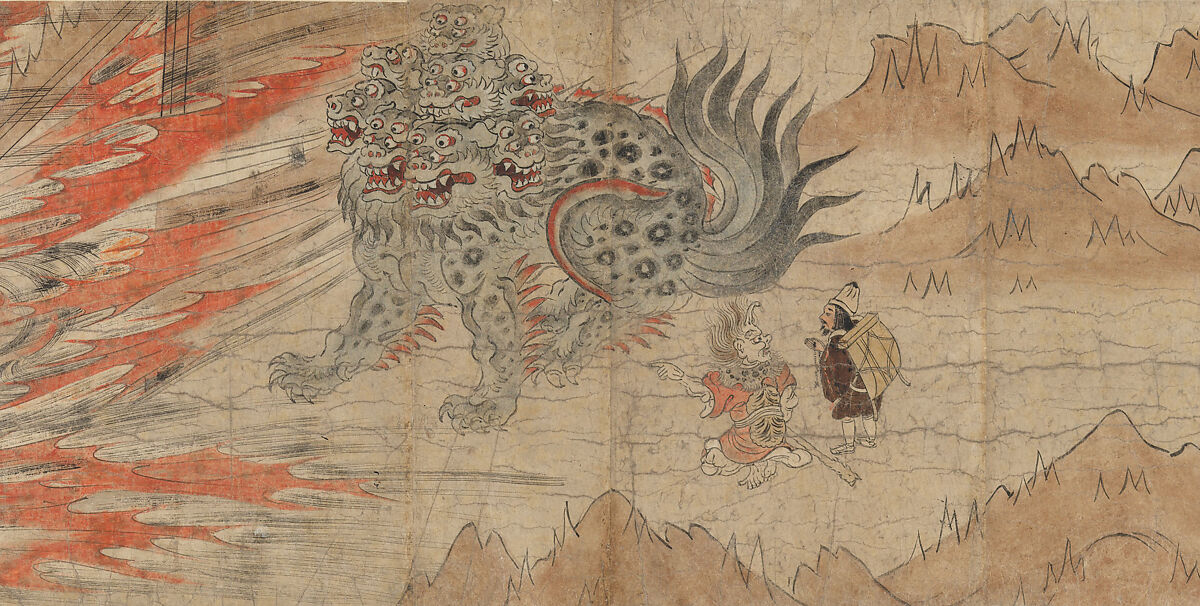
Manga, the Japanese term for comics, has a rich and fascinating history dating back centuries. While the modern form of manga emerged in the late 19th century, its roots can be traced to even earlier Japanese art forms.
Early Influences
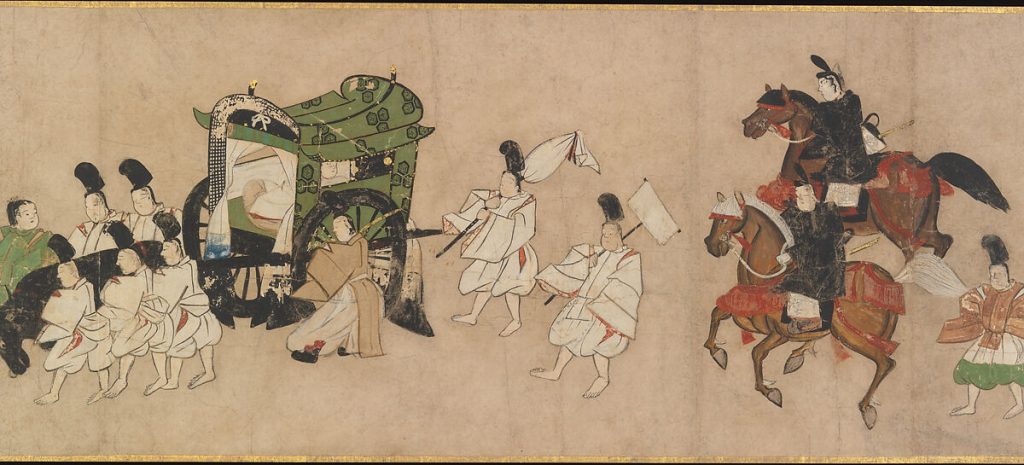
A Japanese scroll painting depicting a scene from the tale “Channel Markers” (Miotsukushi)
- Emaki: Illustrated scrolls that narrated stories, dating back to the 8th century.
- Ukiyo-e: Woodblock prints, often depicting scenes of everyday life and popular culture, which flourished in the Edo period (1603-1867).
The Birth of Manga:
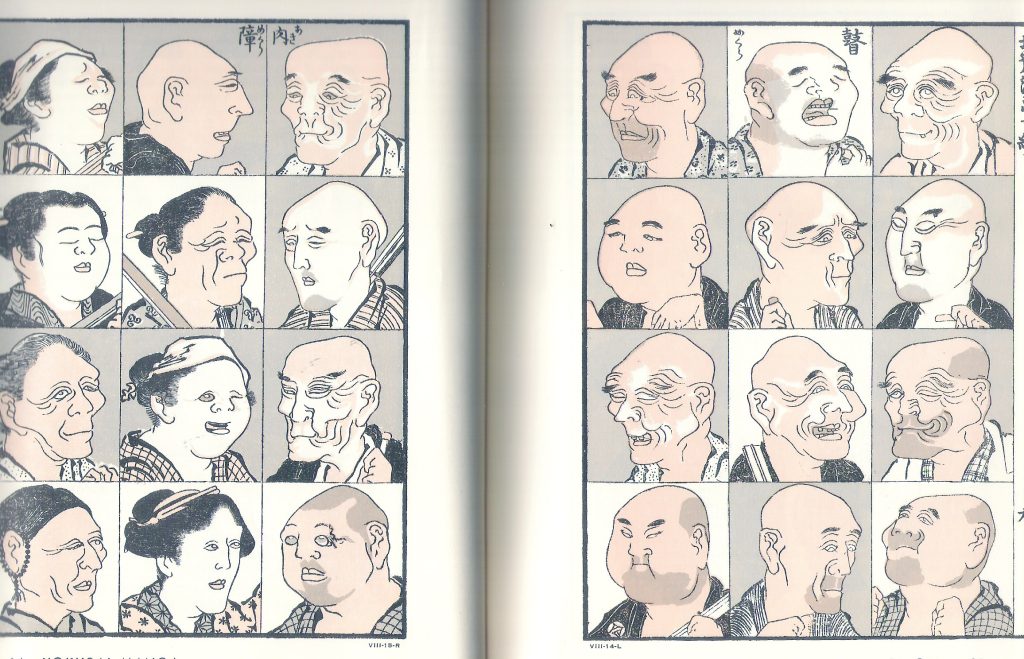
A page from “Hokusai Manga” (1760—1849)
- Hokusai Manga: In the early 19th century, the renowned artist Hokusai published a series of sketchbooks titled “Hokusai Manga,” which featured a variety of subjects, including landscapes, animals, and humorous scenes. These works are often considered to be early examples of manga.
- Early 20th Century: The early 20th century saw the emergence of more formal manga publications, often serialized in newspapers and magazines. These early works were influenced by Western comics and cartoons, but they also incorporated unique Japanese aesthetics and storytelling techniques.
Post-World War II Boom:
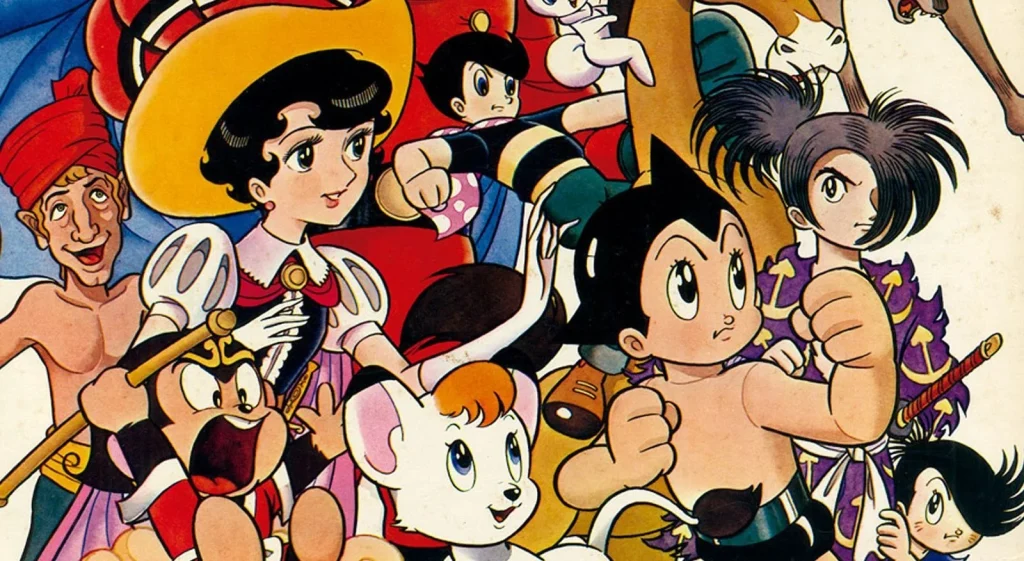
A colorful illustration featuring Astro Boy and other characters created by Tezuka Osamu, the “Father of Manga”
- The Golden Age: The period following World War II witnessed a significant boom in the manga industry. The availability of cheap paper and the growing popularity of popular culture fueled the creation of a wide range of manga titles.
- Diverse Genres: During this time, manga began to explore a variety of genres, including shōnen (boys’ manga), shōjo (girls’ manga), seinen (young men’s manga), and josei (women’s manga).
The Rise of Manga in the West:
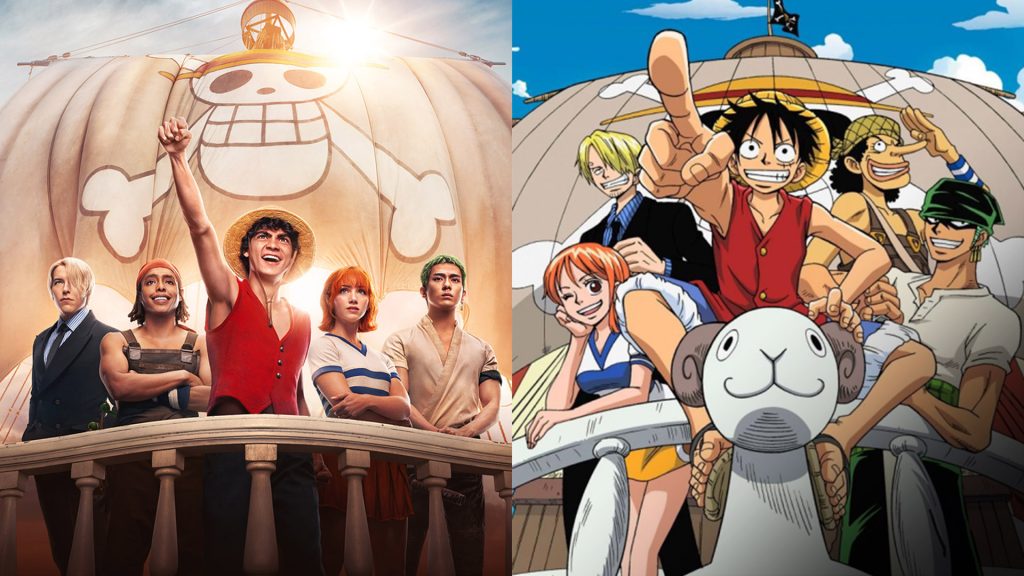
Live-action and anime versions of the Straw Hat Pirates from One Piece
- Globalization: In recent decades, manga has become increasingly popular outside of Japan. The availability of affordable translations and the growth of online platforms have made it easier for Western audiences to discover and enjoy manga.
- Cultural Impact: Manga has had a profound impact on popular culture, influencing anime, video games, and other forms of media.